

Variable rate Fertilizing
Oilseed Rape spring growth boost
Oilseed Rape spring growth boost
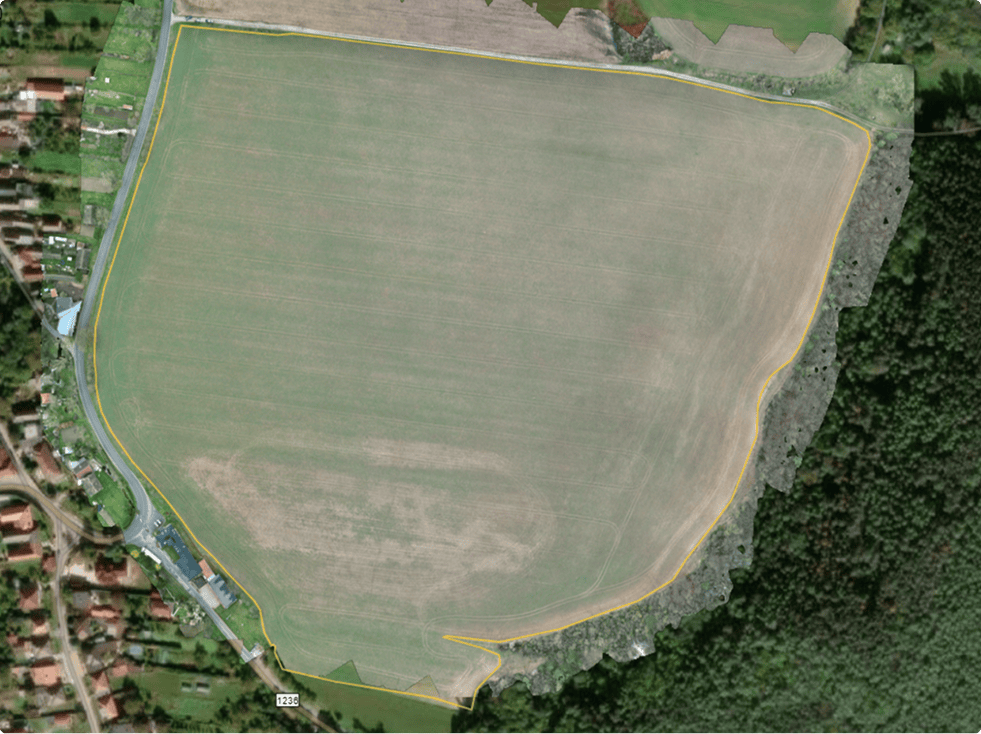
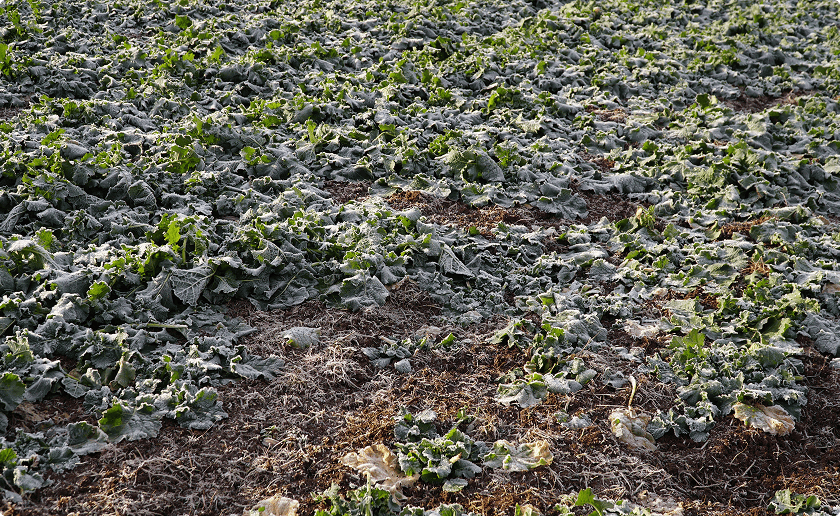
After overwintering, variability in biomass and crop growth becomes clearly visible across the field. Therefore, adjusting fertilizer doses according to the current crop condition and field variability is an effective approach.
Increasing fertilizer rates in more productive zones supports vigorous growth, helping crops reach their full potential and quality. In weaker zones, lower rates are applied to prevent nutrient leaching and waste, ensuring efficient use of fertilizer.
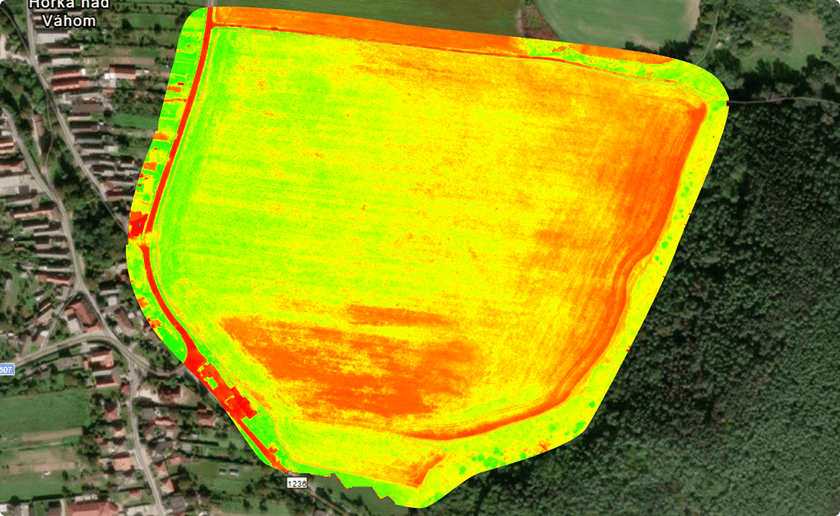
The NDVI index highlights the stronger, more vigorous growth with green color, while the weaker less dense zones are red.
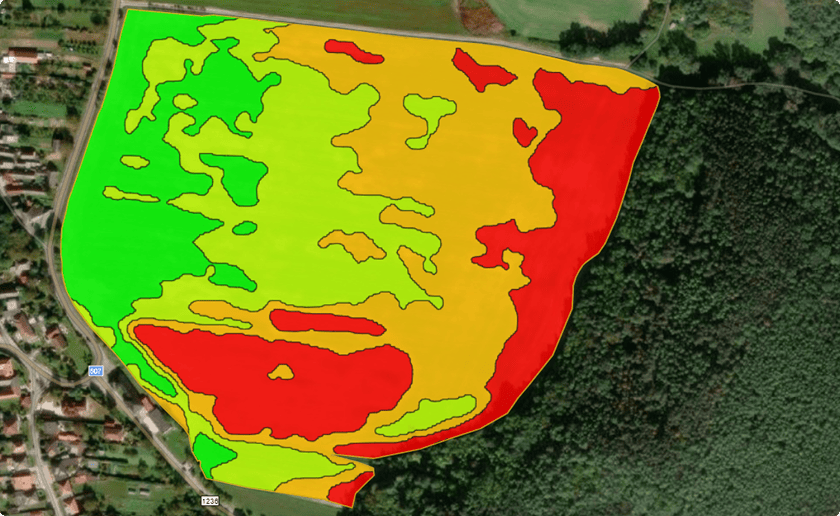
The field was divided into four zones based on crop biomass, as indicated by the NDVI index.
Higher fertilizer rates were applied to the stronger areas (green zones) to ensure optimal growth, minimizing nutrient competition and allowing crops to reach their full potential. Lower doses were applied to weaker areas (red zones) to reduce fertilizer waste, as excess nutrients in these zones would not be fully utilized, leading to leaching and increased costs. The primary goal is not to lower the fetilizer use, but to distribute it effectivelly across the field to get higher yield and quality, even though, in this case the 43,13% volume saving is a very welcome benefit.
Efficient nutrient distribution, reducing excess fertilizer use, and optimizing resource allocation across the entire field.