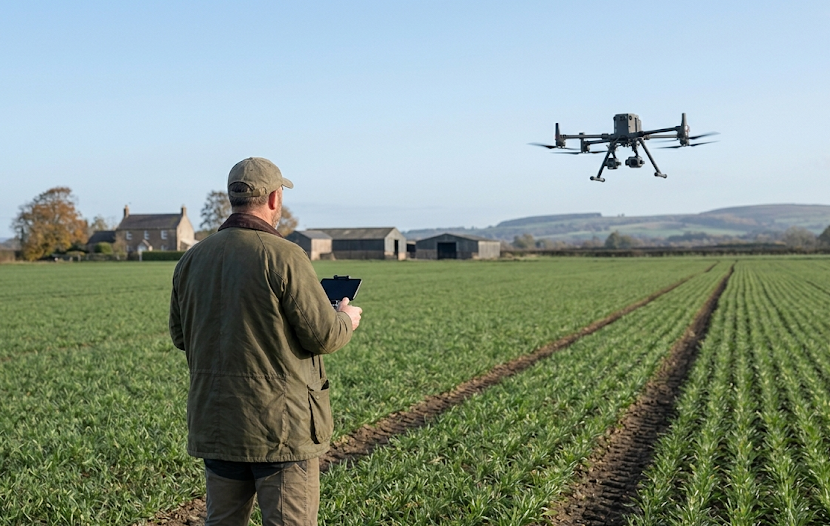
Real results from winter wheat
One of the things we hear most from farmers is the trade-off that comes with difficult weeds. Use the rate that works and risk the crop. Drop the rate to protect the crop and accept poor control. James O’Reilly, a tillage farmer from Kilkenny, ran into exactly that problem this season and the way he solved it is worth sharing.
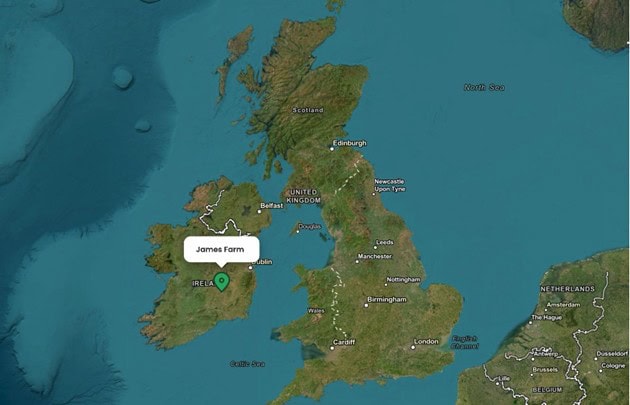
James O’Reilly is a tillage farmer from Kilkenny in the south of Ireland. He grows winter wheat, winter barley, oilseed rape, and both winter and spring beans on a min-till system. In his own words: “We’re continually exploring ways to reduce inputs, whether that’s fertiliser or crop protection products, with two key goals in mind: delivering environmental benefits and, just as importantly, improving the farm’s bottom line.”
James uses CultiWise across many of his farming operations. Here’s what he shared with us about spot spraying in his winter wheat this season.
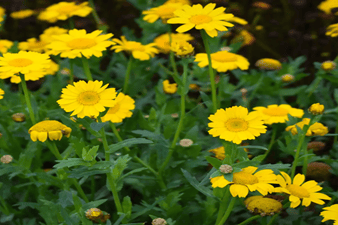
Corn marigold
The first field was 55 hectares with a low, scattered corn marigold infestation. Corn marigold is resistant to most herbicides, and the product that actually works is Galaxy (fluroxypyr) at 2 L/ha with an oil adjuvant. At that rate across a full field, it would cause significant crop damage.
James decided to target only the infested patches. “Although the total area was approximately 55 hectares, we only sprayed about 3 hectares, roughly 5% of the field.”
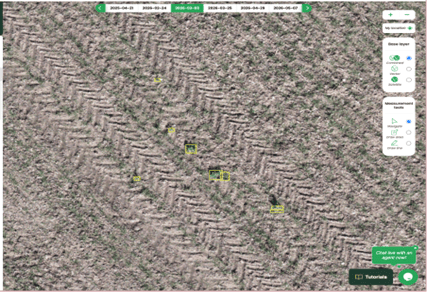
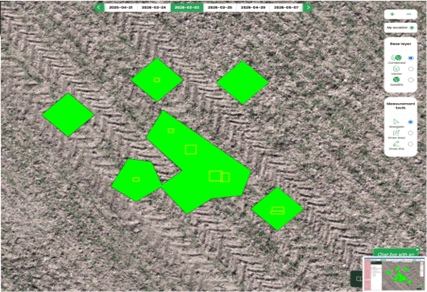
He wiped out 98% of the corn marigold weeds, spending only €38 – 39 per hectare, and only treated 5% of the field. The rest was left completely untouched.
“In reality, I wouldn’t have been comfortable applying this rate across the entire field due to the risk of crop damage. However, by using a prescription map to target the affected areas precisely, we were able to control a highly resistant weed effectively without compromising the crop. This delivered a clear financial benefit, not only through reduced input use, but also by preserving the yield potential of the majority of the field.”
Volunteer beans
On a second 60-hectare wheat field, James was dealing with volunteer beans. Half the field had the problem. Half was clean. Only the affected half was sprayed.
CultiWise processed the drone data and mapped exactly where the volunteer beans were growing and where they weren’t. From that data, a prescription map was generated: spray here, leave everything else alone.
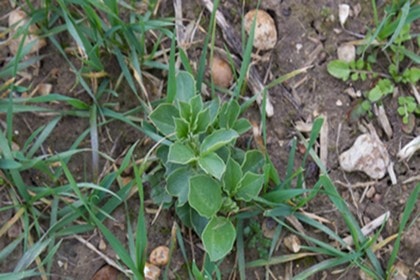
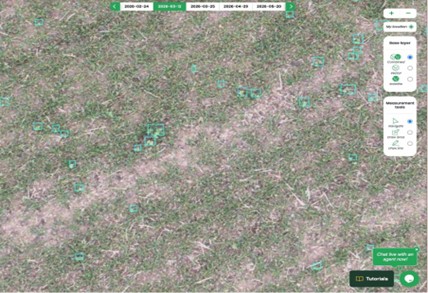
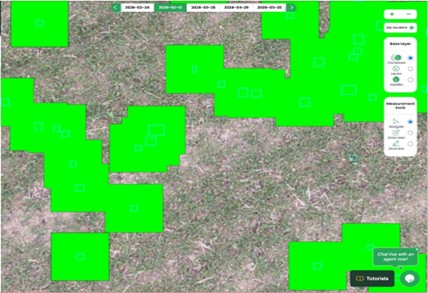
Galaxy was applied at 1 L/ha. At a full-field rate, that would cost €17 per hectare plus VAT. By treating only the area that needed it, James halved that spend across the field, saving €8.50 per hectare overall.
“Spot spraying volunteer beans in the winter wheat crop resulted in a 50% reduction in herbicide use.”
The untreated half of the field was left alone, with no unnecessary herbicide and no risk of crop setback on ground that was already clean. After the season wrapped up, James sent us a final update.
“100% control on the volunteer beans, and 98% control on the corn marigold. I am very happy with those results.”
For a weed as difficult to manage as corn marigold, 98% control on a targeted 5% of the field is a result most farmers would take without hesitation. Two fields, two different weed problems, the same approach: treat what needs treating and leave the rest. The prescription map made it possible to use the right rate in the right places. That’s where the value sits.
James isn’t done either. He’s just treated resistant Italian ryegrass on his wheat headlands, treating less than one hectare out of 26. Results in two weeks.
Corn marigold is one of the most resistant broad-leaf weeds in winter wheat, and the herbicide that actually works risks damaging the crop at full-field rates. James O’Reilly, a tillage farmer from Kilkenny, used CultiWise to spray only the infested patches. He treated 5% of the field, cut his costs dramatically, and got 98% control without touching the rest of the crop. On a second field with volunteer beans, spot spraying halved his herbicide bill and left the clean half of the field completely unaffected. Better results, lower costs, no crop damage.